PulseAll Guides

Fashion

Practical fashion and style guides on wardrobe, trends, grooming, and dressing with confidence.

  • Rolex Submariner vs GMT-Master II vs Explorer: Which Sports Rolex Should You Buy?

    Rolex Submariner vs GMT-Master II vs Explorer: Which Sports Rolex Should You Buy?

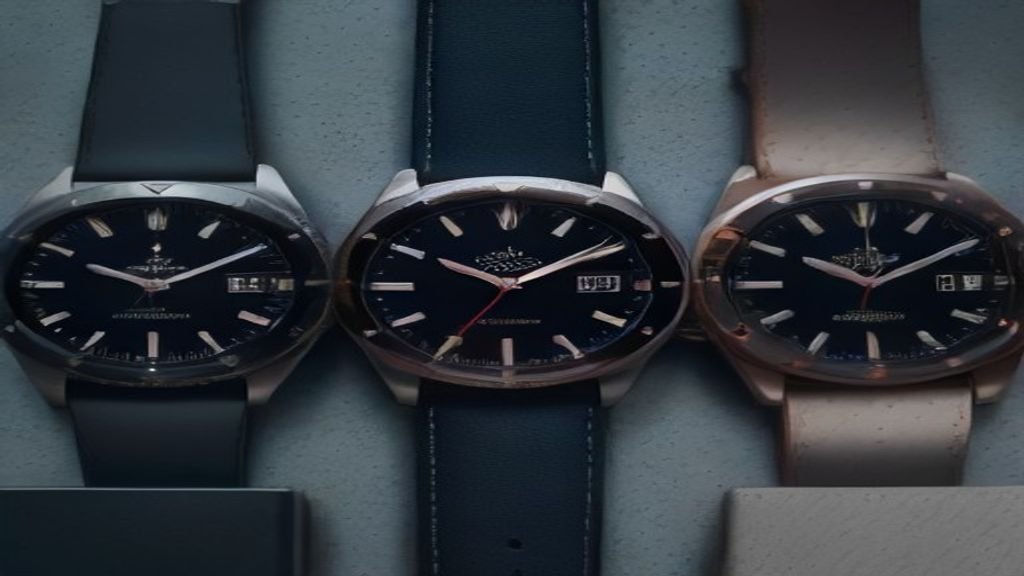
    If you are weighing rolex submariner vs gmt master ii, and glancing at the Explorer while you do it, the answer depends less on specifications than on what your bezel does for you. All three are robust, accurate and built to be worn hard. The differences that matter are function, proportion and how hard each is to actually buy.

    The quick version: the Submariner is the default and the most versatile. The GMT-Master II adds a second time zone and suits anyone who travels or works across regions. The Explorer is the quietest, smallest and cheapest, and it never asks for attention.

    Where Each One Came From

    The Submariner arrived in the early 1950s as a purpose-built dive watch: rotating timing bezel, high water resistance, legible dial. It became the template every other dive watch copied and has changed remarkably little in outline since.

    The GMT-Master followed a couple of years later, developed for airline pilots. The original read a second zone off a 24-hour hand and a rotating 24-hour bezel. The GMT-Master II, from the 1980s, made the local hour hand independently adjustable — the feature that turned it from a clever display into a genuine travel tool.

    The Explorer also dates to the early 1950s, tied to high-altitude mountaineering. No complication beyond time, no rotating bezel, no date. That restraint is the whole point.

    Rolex Submariner vs GMT-Master II vs Explorer: Spec Comparison

    Submariner GMT-Master II Explorer
    Case size 41mm 40mm 36mm and 40mm
    Water resistance 300m 100m 100m
    Bezel Unidirectional 60-minute ceramic Bidirectional 24-hour ceramic Fixed smooth
    Complication Date (or no-date) Second time zone, date Time only
    Bracelet Oyster with Glidelock Oyster or Jubilee Oyster with Easylink
    Movement family 32-series 32-series GMT caliber 32-series time-only
    Power reserve Around 70 hours Around 70 hours Around 70 hours
    Approx. US retail Roughly $9,500–$11,500 Roughly $11,000–$12,000 Roughly $7,500–$8,500

    Prices are approximate for steel models in 2026 and vary by configuration. Verify current figures at the point of purchase.

    Size and Wearability

    The Submariner sits at 41mm with a fairly thick case, driven by the depth rating. It wears larger than the GMT despite a single millimetre of difference, mostly because of the wide bezel and extra height.

    The GMT-Master II at 40mm is slimmer and slightly more elegant, particularly on a Jubilee bracelet. It is the easiest of the three to wear with a jacket.

    The Explorer is the outlier. The 36mm is genuinely compact by modern standards and suits smaller wrists beautifully; the 40mm splits the difference. Both slide under a cuff without thinking about it.

    Bezel Function in Real Use

    • Submariner — a unidirectional 60-minute bezel. It turns one way only, so a knock can shorten your reading, never lengthen it. Good for parking meters, cooking, workouts, anything you time.
    • GMT-Master II — a bidirectional 24-hour bezel. With the 24-hour hand and independent local hour hand, it gives you two or even three zones at once. Genuinely useful with overseas colleagues.
    • Explorer — no bezel function. Nothing to knock, nothing to reset, nothing to explain.

    Be honest here. A dive bezel you never rotate is decoration; a GMT bezel used weekly is a tool.

    Dials, Bracelets and Configurations

    The Submariner comes in steel, two-tone and solid gold, with black, blue and green dial and bezel combinations depending on metal, plus a no-date variant many people prefer for its cleaner dial.

    The GMT-Master II is the colour-forward one. Its two-tone bezel combinations have picked up widely used nicknames, and colour choice drives desirability more here than on any other sports Rolex. It is also the only one of the three offered on a Jubilee bracelet from the factory.

    The Explorer keeps it simple: black dial, applied numerals at three, six and nine, Mercedes hands, Oyster bracelet. A two-tone 36mm version exists for anyone who wants a little more presence.

    Availability, Pricing and Secondary Market Behaviour

    Supply at authorised dealers remains tight across all three, but not equally.

    1. GMT-Master II — hardest to get in the popular bezel colours. Certain configurations consistently trade above retail, sometimes substantially.
    2. Submariner — high demand, larger production. Secondary prices generally sit near or moderately above retail depending on reference and dial.
    3. Explorer — the easiest to buy. Secondary prices often hover close to retail, sometimes below it for the 36mm.

    Grey market dealers will have all three in stock at a markup over list, the size of that markup tracking demand. Check the major secondary marketplaces to calibrate what a fair number looks like before you talk to anyone. Treat any figure you read as a snapshot. Some seller provide Fake Rolex, you may also try this out.

    Two Adjacent Options Worth Knowing

    Explorer II

    A 42mm case, a fixed 24-hour bezel and an orange 24-hour hand, with a black or white dial. Second-time-zone function in a larger, more angular package, and generally easier to buy than a GMT-Master II. If you want the dual-time capability but not the coloured bezel, this is your watch.

    Sea-Dweller

    A 43mm professional diver with a far deeper rating than the Submariner and a helium escape valve. Thicker, heavier, and it wears like a serious tool. Choose it if you want maximum robustness and do not mind the bulk.

    Who Each Watch Suits

    • Buy the Submariner if you want one watch that handles a suit, a beach and a boardroom without comment.
    • Buy the GMT-Master II if you cross time zones, or want the most distinctive option and will wait or pay a premium.
    • Buy the Explorer if you value restraint, have a smaller wrist, or want the lowest entry point into a steel professional model.

    Key Takeaways

    • The deciding factor across these three is timing bezel versus second time zone.
    • The Submariner leads on water resistance at 300m; the other two sit at 100m, plenty for swimming.
    • The Explorer is the smallest, thinnest, cheapest and easiest to buy.
    • GMT-Master II colour configurations drive the largest secondary premiums.
    • The Explorer II offers GMT function with better availability and a larger case.
    • Confirm all approximate prices at the time of purchase, as they move regularly.

    Frequently Asked Questions

    Is the Submariner or GMT-Master II a better first Rolex?

    The Submariner is the safer first purchase — more versatile, slightly cheaper and easier to find at a dealer. The GMT-Master II is better if you actually track a second time zone or strongly prefer its look. Neither is a mistake; the Submariner just involves less waiting.

    Can you swim with a GMT-Master II or Explorer?

    Yes. Both are rated to 100m, which covers swimming, showering and snorkelling. Neither is meant for serious diving — that is what the Submariner and Sea-Dweller are for. Keep the crown screwed down and have the seals checked at service.

    Why is the Explorer cheaper than the other two?

    Less complication, a smaller case, a simpler bezel and lower production cost all feed the price. It also carries less market hype, keeping secondary prices closer to retail. That makes it the best value of the three in pure horological terms.

    Which holds its value best?

    Historically the GMT-Master II in the most sought-after bezel combinations has shown the strongest secondary market behaviour, followed by the Submariner. The Explorer holds value steadily with less upside. Past behaviour is not a forecast, and buying a watch as an investment is a poor plan.

    Should I consider the Explorer II instead of a GMT-Master II?

    If you want dual-time function without the wait, yes. The Explorer II is larger at 42mm and reads as more of a tool watch, with a fixed rather than rotating bezel. Try both on, because the size difference is significant.

    Final Thoughts

    Comparing rolex submariner vs gmt master ii ends with a question about function, not prestige. Rotating timing bezel or second time zone? If neither excites you, the Explorer is quietly the most sensible of the three and the least trouble to buy. Try all three on the same afternoon, ignore what the internet says is desirable, and pick the one you keep looking at.

  • How to Care for Clothes So They Last Longer

    How to Care for Clothes So They Last Longer

    Most of us have watched a favorite shirt fade after a few months, a sweater pill until it looks tired, or a pair of jeans wear thin far sooner than expected. It is easy to assume the clothing was just low quality. Often, though, the real culprit is how the clothes were washed, dried, and stored. Small habits add up, and they can add years to the life of what you already own.

    Caring for clothes well is not fussy or time-consuming once you know a few basics. It saves money, reduces waste, and keeps your favorite pieces looking good far longer. This guide walks through practical, everyday care, from washing and drying to storage and quick repairs, in plain language you can put to use starting with your next load of laundry.

    Key takeaways

    • Most clothing wears out from washing and drying habits, not just age or price.
    • Washing less often, in cooler water, protects fabric and color.
    • Air drying is one of the gentlest things you can do for your clothes.
    • Proper storage prevents stretching, snags, and moth damage.
    • Quick repairs and spot cleaning keep small problems from ending a garment early.

    Wash less, and wash smarter

    One of the biggest favors you can do for your wardrobe is simply to wash things less often. Every wash cycle is a little bit abrasive, agitating fibers and fading color over time. Many garments, especially jeans, sweaters, and outerwear, do not need washing after every wear. Airing them out between uses is often enough.

    When you do wash, cooler water is gentler on both fabric and color. Hot water can shrink certain fibers and speed up fading, while cold or warm water cleans most everyday laundry perfectly well. Sorting by color and washing similar items together prevents dye transfer and lets you match the cycle to the fabric.

    Simple washing habits that help

    • Turn garments inside out to protect the outer surface and prints.
    • Close zippers and fasten hooks so they do not snag other items.
    • Use a mesh bag for delicates, bras, and anything with straps.
    • Avoid overloading the machine, which causes extra friction.

    Read the care label, then use judgment

    Care labels exist for a reason, and checking them takes only a moment. They tell you the safest temperature, whether an item can be tumble dried, and whether it needs special handling. Following them prevents the most common laundry disasters, like a wool sweater that comes out doll-sized.

    That said, labels often lean conservative to cover the manufacturer. Many items marked dry clean can be hand washed gently or washed cold in a mesh bag, though genuinely delicate or structured pieces are worth treating with care. When in doubt on something you value, test cautiously or choose the gentler option.

    Be gentle with drying

    Drying is where a surprising amount of wear happens. High heat in a dryer is hard on fabric, shrinking fibers, weakening elastic, and setting in wrinkles. Air drying is one of the simplest ways to extend the life of almost anything you own, and it is easy to build into a routine.

    Lay knits and sweaters flat to dry so they keep their shape, and hang or line dry most other items. When you do use a dryer, a lower heat setting is far kinder than high heat, and removing clothes while slightly damp reduces both shrinkage and wrinkling. Sturdy everyday items like towels and cotton basics handle the dryer best.

    Item Best drying method Why
    Sweaters and knits Lay flat Prevents stretching and misshaping
    Jeans and pants Hang or line dry Preserves fit and reduces fading
    Delicates and activewear Air dry Protects elastic and fine fibers
    Towels and cotton basics Tumble on low Durable enough to handle gentle heat

    Tackle stains and odors early

    The sooner you address a stain, the more likely it is to come out. Fresh stains are far easier to treat than set-in ones, so blotting a spill quickly, rather than rubbing it deeper, can save a garment. Cool water is usually the safest first response, since heat can lock certain stains in place.

    For odors between washes, airing clothes out in fresh air works wonders and is far gentler than another full wash cycle. Spot cleaning a small mark instead of laundering the whole piece also reduces overall wear. These small interventions keep clothes fresher and reduce how often they need the full washing machine treatment.

    A gentle order of operations

    • Blot, do not rub, and work from the outside of the stain inward.
    • Start with cool water before anything stronger.
    • Avoid heat, including the dryer, until you are sure the stain is gone.

    Store clothes so they keep their shape

    How you store clothing matters almost as much as how you wash it. The wrong hanger or a crammed drawer can stretch, snag, or crease your favorite pieces over time. A few small adjustments protect them while they wait to be worn.

    Heavier knits and sweaters are best folded rather than hung, since hanging can stretch the shoulders and leave bumps. Structured items like blazers and shirts keep their shape better on sturdy hangers with some width to them. Give clothes a little breathing room rather than packing them tightly, and store off-season items clean, since body oils and food residue attract pests like moths.

    Storage quick tips

    • Fold heavy knits; hang structured pieces on supportive hangers.
    • Keep storage areas dry and ventilated to discourage mildew and pests.
    • Always store off-season clothing clean, never worn or stained.

    Learn a few simple repairs

    A loose button or a small seam split does not have to spell the end of a garment. A handful of basic repair skills can rescue clothes that would otherwise be tossed, and none of them require special talent. A small sewing kit and a few minutes are usually all it takes.

    Reattaching a button, mending a small seam, and removing pilling from knits with a fabric comb or shaver are the most useful skills to have. For anything beyond your comfort level, a tailor or alterations shop can handle repairs affordably and often extend a garment’s life significantly. Treating repair as normal, rather than a last resort, changes how long your clothes stay in rotation.

    Match care to the fabric

    Different fabrics have different needs, and a little awareness goes a long way. Natural fibers like cotton and linen are generally sturdy but can shrink with heat. Wool prefers cool water and flat drying and dislikes agitation. Synthetics resist wrinkles but can trap odors and are sensitive to high heat, which can damage the fibers.

    You do not need to memorize a chemistry textbook. Simply noticing what a garment is made of and pairing it with gentler care when in doubt will prevent most problems. Over time this becomes intuitive, and you will instinctively know which pieces can handle a normal wash and which deserve a lighter touch.

    Frequently asked questions

    How often should I actually wash my clothes?

    It depends on the item. Underwear, socks, and activewear are best washed after each wear, while jeans, sweaters, and outerwear can go many wears between washes if they do not look or smell dirty. Washing less often, and airing items out instead, keeps them looking new for much longer.

    Does cold water really clean as well as hot?

    For most everyday laundry, yes. Modern detergents are designed to work in cold water, which cleans effectively while being gentler on fabric and color. Hot water is mainly useful for heavily soiled items or when sanitizing is needed, but for typical loads, cold or warm water is plenty.

    Is air drying worth the extra effort?

    For clothes you want to keep looking good, it usually is. Air drying avoids the heat and tumbling that wear fibers down, so garments hold their shape, color, and fit longer. It also saves energy. Reserve the dryer for durable basics and air dry the pieces you care about most.

    What is the easiest way to deal with pilling on sweaters?

    A fabric shaver or a sweater comb removes pilling quickly and safely. Gently glide it over the affected areas to lift away the little balls of fiber, and the garment will look refreshed. Washing knits inside out and avoiding excess friction also slows how fast pilling forms in the first place.

  • How to Dress Business Casual Without Overthinking It

    How to Dress Business Casual Without Overthinking It

    Few dress codes cause as much quiet stress as business casual. It sounds relaxed, yet it comes with an unspoken expectation that you still look put together. There is no printed rulebook, the definition shifts from one workplace to the next, and standing in front of your closet trying to decode it can eat up more morning energy than the workday itself.

    The good news is that business casual is far more forgiving than it feels. Once you understand the basic idea behind it and set up a few reliable combinations, you can stop overthinking and just get dressed. This guide breaks down what business casual actually means, how to read your specific workplace, and how to build outfits that feel comfortable, professional, and genuinely like you.

    Key takeaways

    • Business casual sits between formal office wear and weekend clothes, aiming for polished but relaxed.
    • Every workplace interprets it differently, so read the room before you read any online list.
    • A small set of mix-and-match pieces removes almost all of the daily guesswork.
    • Fit and neatness matter more than any single item or brand.
    • You can absolutely express personal style within a business casual dress code.

    What business casual actually means

    Business casual is best understood as a middle ground. On one side is formal business attire, think matched suits and ties. On the other is fully casual, like the clothes you would wear to run errands on a Saturday. Business casual borrows the neatness and intention of the formal end while keeping the comfort of the casual end.

    In practice, that usually means clothing that looks deliberate and tidy without being stiff. A collared shirt, a nice knit, tailored pants, a simple dress, or a blazer over a casual top can all live comfortably in this zone. The unifying thread is that everything looks like you chose it on purpose and it fits you well.

    Read your specific workplace first

    Before anything else, observe where you work. A tech startup, a law office, a school, and a creative agency may all say business casual and mean noticeably different things. The fastest way to calibrate is to look at what respected colleagues at your level actually wear, especially people whose style you admire.

    If you are brand new or interviewing, it is usually safer to lean slightly more polished for the first week, then relax toward the norm once you see it. Nobody has ever been penalized for looking a touch more considered on day one. Pay attention to leadership too, since their choices often signal the ceiling and floor of what is acceptable.

    Questions worth asking yourself

    • Do people here wear jeans, and if so, what kind and how often?
    • Are sneakers common, or do most people wear closed leather-style shoes?
    • How do folks dress on client days versus regular days?

    Build a simple mix-and-match core

    The reason business casual feels hard is usually decision fatigue, not a lack of clothes. You can eliminate most of it by assembling a small core of pieces that all coordinate. When your tops, bottoms, and layers share a general color story, almost any combination works, and mornings get much easier.

    You do not need a long shopping list. Think in flexible categories and pick options that fit your body and taste within each.

    Category Easy options Why it works
    Tops Collared shirts, fine-knit sweaters, tidy blouses, simple tees under a layer Neat necklines read as intentional
    Bottoms Tailored trousers, chinos, dark structured jeans, midi skirts Clean lines lift the whole outfit
    Layers Blazer, cardigan, structured overshirt Instantly makes casual pieces look considered
    Shoes Loafers, ankle boots, clean minimal sneakers, flats Tie the look together and signal effort

    Choose a few pieces from each row in colors that play well together, and you will be able to build a week of outfits without repeating yourself or thinking very hard.

    The role of layers

    If there is one shortcut to reliable business casual, it is a good layer. A blazer, cardigan, or structured overshirt can take an otherwise plain outfit and make it look pulled together in seconds. Layers also solve the very real problem of chilly offices, so you stay comfortable without sacrificing the look.

    A helpful habit is to keep one dependable layer at your desk or by the door. On any day you feel underdressed, throwing it on top raises the whole outfit a notch. It is the single easiest adjustment for looking more polished with almost no effort.

    Fit and upkeep beat everything else

    Here is a truth that saves a lot of money: how your clothes fit and how well you maintain them matter more than what they cost or where they came from. A modest outfit that fits well and is clean and unwrinkled will almost always look more professional than an expensive one that is baggy, tight, or rumpled.

    Fit does not mean tight or revealing, and it does not favor any one body. It simply means the clothing sits comfortably where it is meant to, without pulling or drowning you. If a piece you love does not quite fit, a small tailoring adjustment or a different size can transform it. Pair good fit with basic upkeep, an occasional steam or iron, and clothes free of stains and stray threads, and you will look intentional every time.

    Quick upkeep habits

    • Steam or iron out obvious wrinkles the night before.
    • Keep a lint roller and a spare button handy.
    • Rotate shoes so they stay in good shape longer.

    Make it feel like you

    Business casual is not a uniform that erases personality. Within the general boundaries of tidy and professional, there is plenty of room to show who you are. Color, texture, and small accessories are where your style can come through without pushing past the dress code.

    Love bold color? Bring it in through a top or a scarf. Prefer a quieter palette? Lean into texture and clean lines. A watch, simple jewelry, a favorite bag, or an interesting knit can all add character. The aim is not to blend into the wallpaper but to look like a professional version of yourself, comfortable and confident.

    A no-overthinking morning formula

    When you are short on time or energy, a simple formula removes all the guesswork. Try this: pick one neat bottom, add one tidy top, and finish with either a layer or a more polished shoe. That structure almost always lands squarely in business casual territory.

    If you want to make mornings even easier, decide on a few go-to combinations in advance and treat them as reliable defaults. Having three or four outfits you know work means you never have to solve the puzzle from scratch on a busy day. Over time these become second nature, and the whole dress code stops feeling like a test.

    Frequently asked questions

    Are jeans okay for business casual?

    Often, yes, depending on your workplace. Dark, well-fitting jeans without heavy distressing usually pass in more relaxed offices, especially when paired with a neat top and a layer. If you are unsure, look at what colleagues wear or start with tailored trousers and add jeans once you know the norm.

    Do I need to wear a blazer every day?

    No. A blazer is one easy way to look polished, but it is not required. A cardigan, a structured overshirt, or simply a well-fitting knit can achieve a similar put-together effect. Keep a layer available for days you want to look a bit sharper, and skip it when the vibe is more relaxed.

    What shoes work best for business casual?

    Clean, tidy shoes in good condition are the priority. Loafers, ankle boots, flats, and minimal leather-style sneakers all tend to fit. The key is that they look cared for and coordinate with your outfit. Very casual or worn-out footwear is usually what pulls a look out of the business casual range.

    How can I look professional on a tight budget?

    Focus on fit and upkeep rather than buying a lot. A few coordinating pieces that fit you well, kept clean and wrinkle-free, will read as professional regardless of price. Simple tailoring on items you already own and a consistent color palette stretch a small wardrobe a long way.

  • How to Build a Capsule Wardrobe That Works Year-Round

    How to Build a Capsule Wardrobe That Works Year-Round

    Standing in front of a full closet and feeling like you have nothing to wear is one of the most common style frustrations there is. The problem usually is not a lack of clothes. It is a lack of clothes that work together, fit your real life, and reflect the way you actually want to show up each day. A capsule wardrobe is one answer to that puzzle, and it is a lot more flexible and forgiving than the tidy grids you see online might suggest.

    At its heart, a capsule wardrobe is a smaller, thoughtfully chosen collection of pieces that mix and match easily. The goal is not to own as few items as possible or to hit some magic number. The goal is to get dressed with less friction, spend less money on things you never wear, and feel more like yourself. In this guide we will walk through how to build one that holds up across seasons, without rigid rules or a total closet overhaul.

    Key takeaways

    • A capsule wardrobe is about pieces that work together, not about owning a specific number of items.
    • Start by studying your real life and the clothes you already reach for most.
    • Choose a color palette that mixes easily so most tops pair with most bottoms.
    • Build around versatile layers so the same base carries you through warm and cold months.
    • Treat it as a living system you adjust over time, not a one-time project you must get perfect.

    What a capsule wardrobe really is (and is not)

    A capsule wardrobe is a curated set of clothing designed so that individual pieces combine into many outfits. Think of it as a small team where everyone plays well with everyone else. When your pieces share a general vibe and color story, a handful of items can stretch into weeks of looks.

    It is worth clearing up a few myths. A capsule does not have to be minimalist, neutral, or tiny. You can build a colorful, playful capsule if that is your taste. It also does not mean you throw everything else away. Many people keep a core capsule for everyday wear and hold onto special-occasion or sentimental pieces separately. The system should serve you, not the other way around.

    Start with your real life, not a template

    Before buying anything, look at how you actually spend your days. Someone who works from home, chases toddlers, and occasionally goes out needs a very different mix than someone commuting to an office five days a week. There is no universal formula, so build for the life in front of you.

    A quick way to map this is to estimate how your week splits across categories. Rough percentages are enough.

    Part of life Share of your week What it calls for
    Work or daily errands Around half Comfortable, repeatable, easy to combine
    Relaxing at home A large chunk Soft, forgiving, still presentable on a video call
    Social and going out A smaller slice A few pieces that feel a little elevated
    Active or seasonal Varies Weather and activity specific items

    If most of your week is casual, most of your capsule should be too. Building a closet full of formal pieces for a life that is mostly relaxed is how good clothes end up unworn.

    Shop your closet first

    The best capsule usually starts with clothes you already own. Pull everything out and sort it into three simple piles: love and wear often, unsure, and never wear. The first pile is gold. Those pieces already tell you what fits well, feels good, and suits your taste.

    For the unsure pile, try things on with an honest but kind eye. Ask whether a piece fits your current body and life, not the version of you from three years ago. For the never-wear pile, consider donating, selling, or handing items to friends. Nothing about a capsule requires guilt, so let go of pieces without turning it into a referendum on past choices.

    Notice your patterns

    As you sort, look for repeats. Maybe you gravitate toward soft knits, or you always feel best in a certain neckline or trouser shape. These patterns are the blueprint for what to keep and what to add later.

    Choose a color palette that plays nicely

    The engine that makes a capsule work is color coordination. When your pieces share a palette, nearly every top works with nearly every bottom, which multiplies your outfit options without adding items.

    A common approach is to pick a small set of base colors that anchor most outfits, then a few accent colors for personality. Bases are often neutrals like navy, gray, black, cream, olive, or tan, but your bases can be any colors you love to wear repeatedly. Accents add the spark: a warm rust, a soft blush, a bright cobalt, whatever makes you happy.

    • Pick two to four base colors that you would happily wear on repeat.
    • Add two or three accent colors for tops, scarves, or standout pieces.
    • Make sure your shoes and bags lean toward your bases so they go with everything.

    You do not have to follow this rigidly. The point is simply that fewer, friendlier colors mean more effortless combinations.

    Build around versatile core pieces

    Every capsule benefits from a set of dependable workhorses that layer and dress up or down. Rather than a strict shopping list, think in categories and choose what fits your body and taste within each.

    Tops and layers

    A few simple tops in your base colors, one or two long-sleeve options, and a couple of layering pieces like a cardigan, overshirt, or lightweight jacket. Layers are what let a summer outfit become a fall outfit.

    Bottoms

    Two or three bottoms you genuinely like wearing, whatever the shape. Well-fitting trousers, jeans, a skirt, or comfortable pants all count. Fit and comfort matter far more than any particular silhouette.

    One or two anchors

    An anchor is a piece that instantly makes an outfit feel pulled together, like a blazer, a nice knit, or a dress you can style many ways. One or two of these do a lot of quiet work.

    Make it work year-round with layering

    The secret to a year-round capsule is not owning separate wardrobes for each season. It is choosing pieces that layer. A short-sleeve top can stand alone in summer and sit under a cardigan or jacket in cooler months. A dress can pair with sandals now and with tights and boots later.

    Focus your seasonal swaps on a small number of weather-specific items: a warm coat and heavier knits for winter, breathable fabrics and lighter footwear for summer. Everything in between can stay year-round. This keeps your closet lean while still keeping you comfortable when temperatures shift.

    Keep it flexible and let it evolve

    A capsule is a living system, not a finished monument. Bodies change, jobs change, tastes change, and your wardrobe should be allowed to change too. Rather than rebuilding from scratch each season, do a light refresh: note what you reached for, what sat untouched, and what small gap keeps tripping you up.

    When you do add pieces, buy slowly and intentionally. Before bringing something home, ask whether it works with at least two or three things you already own. If it does, it will earn its place. If it only works with items you do not yet have, it may quietly become clutter.

    A gentle rhythm to follow

    • Once a season, take ten minutes to notice what you actually wore.
    • Retire pieces that no longer fit your body or life without guilt.
    • Fill genuine gaps thoughtfully rather than chasing every trend.

    Frequently asked questions

    How many pieces should a capsule wardrobe have?

    There is no correct number. Some people are happy with a couple dozen pieces, others prefer more. What matters is that the items work together and suit your life. Focus on versatility and fit rather than hitting a target count you saw somewhere online.

    Do I have to stick to neutral colors?

    Not at all. Neutrals make mixing easier because they pair with almost anything, but your capsule can absolutely include or center on colors you love. The only real guideline is that your pieces should coordinate with one another so getting dressed stays simple.

    Can a capsule wardrobe work if my body or size changes?

    Yes. A capsule is meant to flex with you. If your size shifts, keep the pieces that still fit and feel good, let go of the ones that do not, and add replacements gradually. The system is designed to adapt, so changes are part of the plan, not a failure of it.

    Where should I start if I feel overwhelmed?

    Start small. Pick one category, like tops or work outfits, and build a mini capsule there first. Once you see how nicely a coordinated set combines, you can expand at your own pace. There is no rush and no wrong way to begin.

  • How to Dress for Your Body Type: A Flexible, Inclusive Guide

    How to Dress for Your Body Type: A Flexible, Inclusive Guide

    Advice about dressing for your body type has been around for a long time, and a lot of it comes with a strong dose of rules. Do this, never do that, hide this, disguise that. If that framing has ever made getting dressed feel like a series of corrections, you are not alone, and you are not the problem. The old approach often treats bodies as issues to solve rather than as perfectly good starting points.

    This guide takes a gentler and more useful view. Understanding your proportions can genuinely help you choose clothes that feel comfortable and look the way you want them to. But it is a tool for feeling good, not a set of restrictions. There is no wrong body and no forbidden clothing. The aim here is to give you flexible ideas you can take or leave, so you can dress in a way that feels like you.

    Key takeaways

    • Body-type guidance is a helpful tool, not a list of rules you must obey.
    • Every body is a good body, and any style can work for anyone who loves it.
    • Fit and comfort matter more than fitting into a named category.
    • Proportion and balance are simply ways to steer attention where you want it.
    • Your preferences always outrank any general suggestion in this guide.

    A kinder way to think about body types

    Traditional advice sorts bodies into shapes and then assigns each one a list of dos and donts. The trouble is that real bodies rarely fit neatly into a single label, they change over time, and the rules often carry outdated ideas about what a body should look like. Following them can leave you feeling boxed in rather than served.

    A more helpful mindset is to think about proportion and balance instead of categories. Rather than asking what shape you are, you can ask a simpler question: where do I want to draw the eye, and how do I feel most comfortable and confident? That reframing turns clothing back into a form of self-expression, which is exactly what it should be.

    Start with how clothes feel, not how they classify

    Before any styling idea, comfort is the foundation. Clothing you constantly tug at, that pinches, or that you cannot move freely in will rarely make you feel good, no matter how flattering someone claims it is. When something fits well and feels right, you carry yourself differently, and that ease reads as confidence.

    Fit is deeply personal and has nothing to do with size. A well-fitting garment is one that sits comfortably where you want it, lets you move, and does not force your body to conform to it. If a piece you love does not fit quite right, sizing up, sizing down, or a small tailoring tweak can often solve it. Chase the feeling of comfort first, and the rest gets much easier.

    Understanding proportion and balance

    Proportion is just the relationship between the different parts of an outfit and your frame. Balance is the idea of arranging those parts so the overall look feels the way you want it to. Neither is about hiding anything. They are simply levers you can pull to guide the eye.

    For example, pairing a looser top with a more fitted bottom, or a fitted top with a fuller bottom, creates a sense of balance many people enjoy. Wearing similar volume on top and bottom creates a different, often relaxed effect. Neither is better. They are just different tools, and you get to decide which effect you are going for on any given day.

    Simple ways to play with balance

    • Pair volume with structure, like a flowy top with tailored pants, or vice versa.
    • Use a defined waistline, or skip it, depending on the shape you want.
    • Draw attention upward with a bold neckline, or downward with a standout shoe.

    Flexible ideas, not rigid rules

    Here is a set of loose ideas you can experiment with. Read them as suggestions to try in a mirror, not commandments. If one does not appeal to you or does not feel right on your body, ignore it completely. Your eye and your comfort are the final judges.

    If you want to You might try But feel free to
    Draw the eye upward Interesting necklines, earrings, brighter tops Skip it and go bold on the bottom instead
    Create a defined waist Belts, wrap styles, tucking in a top Wear relaxed, unstructured shapes you love
    Add length to your frame Vertical lines, longer layers, matching tones Embrace cropped or contrasting looks
    Feel relaxed and easy Soft fabrics, roomy cuts, comfortable layers Choose structure and tailoring when you prefer

    Notice that the third column always gives you permission to do the opposite. That is intentional. These ideas exist to expand your options, never to shrink them.

    Wear what makes you feel like you

    The most important styling factor is not on any chart. It is whether an outfit makes you feel like yourself. Someone might tell you a certain cut is not for your shape, but if you love it and feel great in it, that opinion does not get a vote. Confidence and joy are far more compelling than any technical guideline.

    Give yourself permission to break the so-called rules. Wear the bold print, the cropped jacket, the bright color, the fitted or the flowy piece, whatever lights you up. Style is one of the few daily choices that is entirely yours, and you are allowed to make it purely because something delights you.

    A gentle self-check

    When trying something on, notice how you feel rather than only how you look. Do you stand a little taller? Do you want to keep it on? Those instincts are more reliable than any external rule about your body.

    Building a wardrobe that adapts with you

    Bodies are not fixed, and neither should your wardrobe be. Weight shifts, aging, pregnancy, health changes, and simply living all reshape us over time. A helpful wardrobe flexes with those changes instead of making you feel like you have to earn your way back into it.

    Practically, that means keeping and buying pieces that fit the body you have right now, letting go of items that no longer feel good without guilt, and favoring adaptable pieces like knits, wrap styles, and adjustable waists that accommodate change gracefully. Dressing well is a moving target for everyone, and adjusting is a normal, ongoing part of the process, not a sign anything is wrong.

    Frequently asked questions

    How do I figure out my body type?

    You do not have to, and you may find it more freeing not to. Instead of assigning yourself a category, notice your proportions and, more importantly, what feels comfortable and looks the way you want in the mirror. Focusing on fit and the effect you like is more useful than landing on a label.

    Can I wear styles that supposedly are not for my shape?

    Absolutely. Those old guidelines are suggestions at best and outdated at worst. If you love a style and feel good in it, it works for you, full stop. Confidence and comfort matter far more than any rule about what a particular body should or should not wear.

    What if nothing seems to fit well?

    This is incredibly common and usually a sign of inconsistent sizing across brands, not anything about your body. Try different sizes and cuts, consider simple tailoring on pieces you love, and prioritize fabrics with some give. Finding what fits is often about trial and adjustment, and the effort pays off in comfort.

    Does dressing for my body mean hiding parts of myself?

    Not in the approach we recommend. Nothing about your body needs hiding. Styling ideas here are about directing attention where you want it and feeling comfortable, not concealment. You get to decide what to highlight, and the goal is always to help you feel more like yourself, not less.