
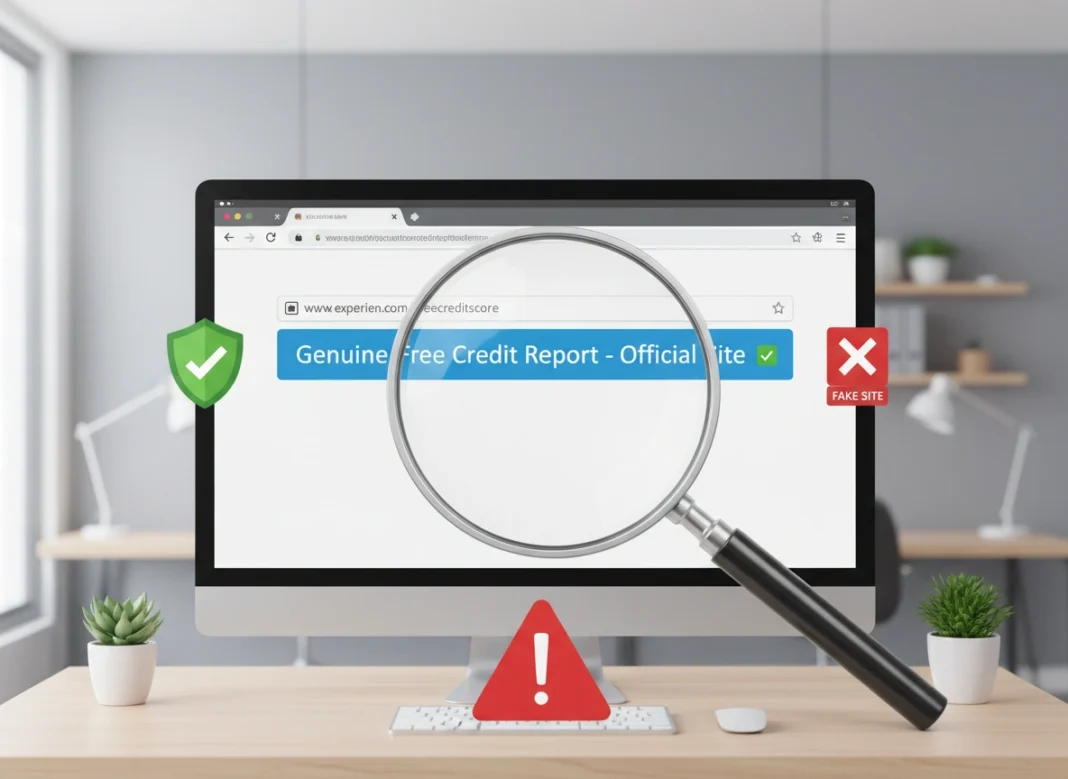

Digital platforms frequently offer promotions to attract and retain users. Among these promotions, free credits stand out as highly popular incentives. These offers allow users to test services, play games, or make purchases without risking their own funds. However, the internet is also heavily populated with malicious actors looking to exploit unsuspecting users. Learning to differentiate between a legitimate offer and a dangerous scam is an essential skill for anyone navigating the web. This guide provides comprehensive strategies to help you identify authentic promotions and protect your digital assets.
The Appeal of Free Credits
Promotional credits serve a very logical business purpose. Companies use them as a marketing expense to lower the barrier to entry for new customers. When a user can try a premium software tool, an online gaming platform, or a digital marketplace for free, they are much more likely to create an account.
For the consumer, these offers provide genuine value. They allow you to test the functionality and reliability of a platform before committing any real money. If the service meets your expectations, you might decide to become a paying customer. If it falls short, you can simply walk away without financial loss. Because these offers are mutually beneficial, they are abundant. Unfortunately, this abundance creates a perfect hiding place for cybercriminals.
Common Red Flags of Scam Links
Recognizing a scam often comes down to observing subtle details. Fraudulent links usually share a few common characteristics that should immediately raise your suspicion.
First, pay attention to the sense of urgency. Scammers frequently use manipulative language to force you into acting quickly. Phrases claiming that an offer expires in five minutes or that only three prizes remain are designed to bypass your critical thinking. Legitimate companies run promotions for days or weeks, giving you ample time to read the terms and conditions.
Next, examine the quality of the communication. Phishing emails and fake websites are notorious for spelling errors, strange capitalization, and awkward grammar. While reputable brands occasionally make typos, a message riddled with mistakes is a strong indicator of a scam.
Finally, consider the actual value of the offer. If a promotion seems entirely disproportionate to normal business practices—such as offering hundreds of dollars in unrestricted cash just for clicking a link—it is almost certainly fraudulent. Cybercriminals rely on greed to override caution.
Characteristics of Genuine Promotions
Legitimate businesses want you to feel secure when interacting with their brand. Therefore, authentic promotional campaigns are usually transparent and well-documented.
A genuine free credit link will typically direct you to a secure, professionally designed website. You will see a padlock icon in your browser’s address bar, indicating that the site uses HTTPS encryption. Furthermore, the URL will match the official domain of the company running the promotion.
Authentic offers also come with clear terms and conditions. They will explicitly state wagering requirements, expiration dates, and any restrictions on how the credits can be used. Legitimate companies do not hide the rules of their promotions; they make them accessible to ensure compliance and build trust with their user base.
Step-by-Step Guide to Verifying a Link
Before you click any promotional link, you should perform a brief verification process. This simple routine can save you from malware infections and identity theft.
Hover Before You Click
Place your mouse cursor over the link without clicking it. Your browser will display the destination URL at the bottom of the screen. Look closely at this address. Scammers often use character substitution to create fake domains that look real at first glance, such as replacing the letter “O” with the number “0”.
Use a Link Scanner
If you are unsure about a URL, copy it (without clicking) and paste it into a reputable link-scanning tool. Services like VirusTotal or Google Transparency Report will analyze the address against databases of known malicious websites and provide a safety report.
Verify Through Official Channels
If you receive a promotional email from a company you know, do not use the link provided in the message. Instead, open a new browser window, navigate directly to the company’s official website, and look for the promotion on their homepage or promotions page. If the offer is real, you will find it there.
Common Online Scams to Watch Out For
Cybercriminals employ various tactics to deceive users. Being aware of these methods makes them much easier to avoid.
Phishing remains the most prevalent tactic. Attackers create fake login pages that closely mimic real banking or gaming sites. When you attempt to claim your free credits by logging in, the attackers capture your username and password.
Malware distribution is another significant threat. Some deceptive links initiate background downloads the moment they are clicked, installing malicious software on your device. This software can log your keystrokes, steal your data, or lock your files until a ransom is paid.
Subscription traps are also common. A site might offer free credits but require you to enter a credit card number “for verification purposes.” Buried in the fine print is an agreement to a recurring, expensive monthly subscription that is notoriously difficult to cancel.
Protecting Your Personal and Financial Information
Maintaining strict control over your personal data is your best defense against online fraud. Never provide your Social Security number, banking details, or primary email password to claim a promotional offer. Legitimate companies do not require highly sensitive financial data just to issue free credits.
Implement two-factor authentication (2FA) on all your important accounts. Even if a scammer manages to steal your password through a phishing link, they will not be able to access your account without the secondary verification code sent to your mobile device.
Additionally, consider using a secondary email address specifically for signing up for promotions and newsletters. This keeps your primary inbox free from spam and isolates potential phishing attempts away from your critical personal correspondence.
What to Do If You Click a Malicious Link
Mistakes happen, and even the most cautious users can occasionally be tricked by a sophisticated scam. If you realize you have clicked a dangerous link, swift action is required to minimize the damage.
First, disconnect your device from the internet. Turn off your Wi-Fi or unplug your Ethernet cable. This severs the connection between your device and the attacker, preventing them from extracting your data or sending further malicious commands to your system.
Next, run a comprehensive scan using reputable antivirus software. Allow the program to quarantine and remove any suspicious files it finds.
If you entered any login credentials on the fraudulent site, you must change those passwords immediately. Use a different, uncompromised device to log into the real services and update your security settings. If you provided financial information, contact your bank or credit card issuer right away to report the potential fraud and freeze your accounts.
Best Practices for Online Safety
Navigating the internet requires a healthy dose of skepticism. While promotional offers and credits can provide excellent value, they must always be approached with caution.
Make it a habit to scrutinize URLs, read terms and conditions, and rely on official websites rather than unsolicited emails or social media messages. By understanding the tactics scammers use and implementing robust personal security measures, you can safely enjoy legitimate digital promotions without putting your personal information at risk.