

Building connections with influential voices can rapidly accelerate your brand’s growth. When executed correctly, a well-planned outreach campaign positions your product in front of highly engaged audiences, builds valuable backlinks, and drives qualified traffic to your website.
However, many businesses stumble when they attempt to connect with content creators. Marketers often treat outreach as a numbers game, sending hundreds of generic emails and hoping for a few replies. This approach rarely works and can actively damage your brand’s reputation among key industry voices.
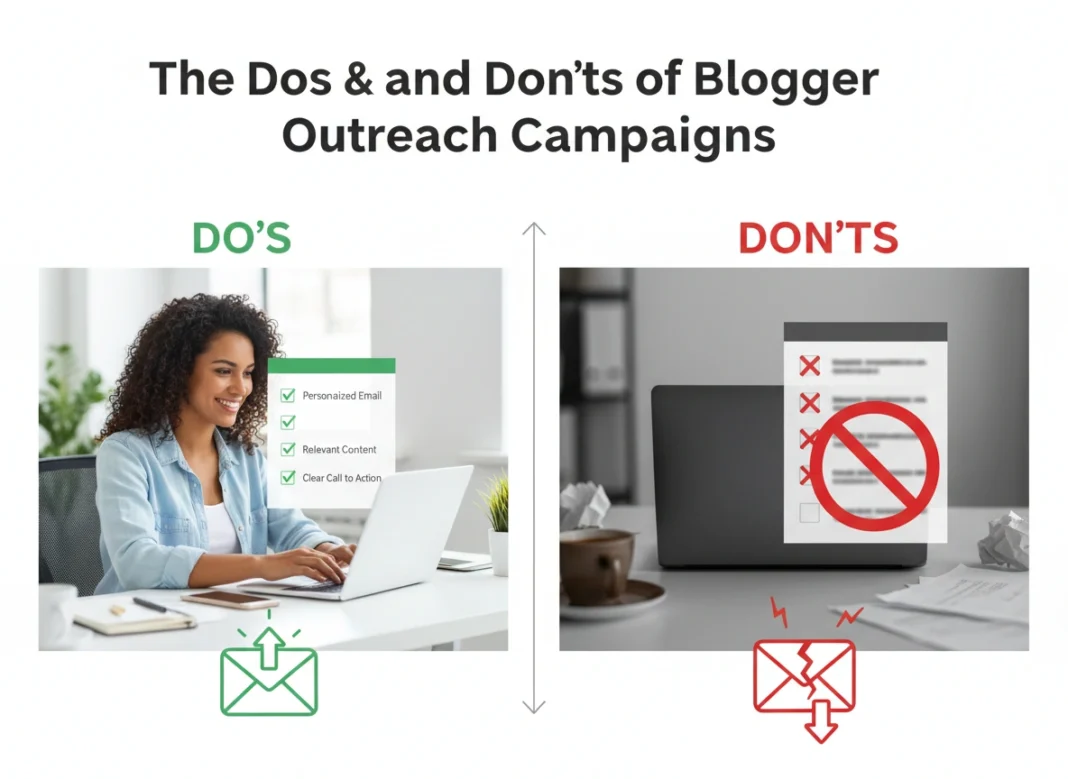
To help you navigate this process and secure high-quality partnerships, we have compiled the definitive dos and don’ts of running successful outreach campaigns.
The Dos of Blogger Outreach
Following these best practices will help you build trust, secure placements, and turn one-off collaborations into long-term partnerships.
Do Thorough Research on Your Prospects
Before you send a single email, you must understand exactly who you are contacting. Successful campaigns rely on high relevance, not high volume.
Take the time to read their recent posts, understand their audience demographics, and identify the topics they care about most. Look at their social media profiles to see how they interact with their followers. When you understand a blogger’s unique voice and content strategy, you can tailor your pitch to align perfectly with what they already do.
Do Personalize Every Single Pitch
Content creators receive dozens, sometimes hundreds, of pitch emails every week. If your message looks like a copy-and-paste template, it will go straight to the trash folder.
Personalization goes beyond simply inserting their first name at the top of an email. You need to reference specific articles they have written, mention why you enjoyed a particular point they made, and clearly explain why your proposed collaboration makes sense for their specific audience. Show them you have actually spent time consuming their content.
Do Offer Genuine Value Upfront
Outreach is a two-way street. Instead of simply asking for a favor, frame your pitch around what the blogger gets out of the arrangement.
Are you offering a highly valuable piece of exclusive data? A well-written guest post that saves them hours of writing time? A free premium product for them to test and keep? Make sure the benefit to them is immediately clear. If your pitch only serves your own goals, you will struggle to get a positive response.
Do Follow Up Respectfully
People are busy, and emails easily get lost in crowded inboxes. A lack of response does not always mean a lack of interest.
Send a polite, concise follow-up email three to five days after your initial outreach. Keep it brief. Remind them of the value you are offering and ask if they had a chance to review your previous message. Stop after one or two follow-ups. If they do not respond after that, assume they are not interested and move on to your next prospect.
Do Build Long-Term Relationships
The most successful marketers view outreach as the beginning of a long-term relationship, not a one-off transaction.
When a blogger agrees to collaborate, make the process as smooth as possible. Deliver high-quality assets on time, communicate clearly, and promote the published piece across your own social media channels. Send them a thank-you note once the campaign goes live. By treating content creators as valued partners, you build an army of brand advocates who will gladly work with today, tomorrow, and years down the line.
The Don’ts of Blogger Outreach
Just as important as knowing what to do is knowing exactly what to avoid. Steer clear of these common pitfalls to protect your brand’s reputation and improve your response rates.
Don’t Rely on Mass Email Blasts
Using automated software to blast the same generic message to 5,000 different bloggers is a guaranteed way to fail.
Mass emails lack the nuance and personalization required to build real connections. Bloggers can spot a generic template from a mile away. Furthermore, sending mass emails often triggers spam filters, which damages your domain reputation and prevents your future emails from ever reaching an inbox. Prioritize quality over quantity every single time.
Don’t Ignore the Blogger’s Guidelines
Many established blogs have dedicated “Write for Us” or “Contact” pages that clearly outline their collaboration guidelines.
These guidelines often specify preferred topics, word counts, formatting requirements, and exactly how they want to be pitched. If a blogger specifically asks for a brief outline in their contact form, do not send them a completed 2,000-word article via email. Ignoring their stated preferences shows a lack of respect for their time and immediately disqualifies your pitch.
Don’t Be Too Pushy or Demanding
You are asking for access to an audience the blogger has spent years building. Act accordingly.
Never use aggressive language or act entitled to a response. Avoid using manipulative subject lines designed to trick the recipient into opening your email. Do not demand immediate publication dates or insist on specific follow-link requirements unless you are paying for a sponsored placement. Approach every interaction with humility and professionalism.
Don’t Pitch Irrelevant Content
Pitching a highly technical software-as-a-service article to a lifestyle and travel blog wastes everyone’s time.
Relevance is the foundation of any successful partnership. If your product or content does not naturally fit within the blogger’s niche, do not force it. Carefully vet your prospect list to ensure every single person you contact actually covers your industry. Pitching irrelevant content not only guarantees a rejection but also flags you as a spammer in the eyes of the creator.
Don’t Neglect Your Own Content Quality
When a blogger receives your pitch, the very first thing they will do is click the link to your website.
If your website looks outdated, loads slowly, or features poorly written content, they will immediately decline your offer. Content creators protect their audiences fiercely. They will not send their loyal readers to a subpar website. Before you start reaching out to industry leaders, ensure your own digital house is in order. Invest in high-quality design, write compelling copy, and build a brand that people actually want to associate with.
Best Practices for Scaling Your Strategy
Once you master the fundamentals of personalized pitching and relationship building, you can begin to scale your efforts.
Scaling does not mean reverting to mass emails. It means developing organized systems to track your prospects, monitor your communications, and measure your success. Use a customer relationship management (CRM) tool or a detailed spreadsheet to keep track of who you contacted, when you followed up, and what the outcome was.
As your campaigns grow, you might want to look into dedicated platforms to streamline the process. Utilizing a professional blogger outreach service or toolset can help you discover vetted prospects, manage your communication pipeline, and track the impact of your placements more efficiently. These resources allow you to maintain high levels of personalization while increasing your overall output.
Conclusion
Executing a successful outreach strategy requires patience, empathy, and a commitment to providing real value. By thoroughly researching your prospects, personalizing your communication, and avoiding spammy tactics, you can secure powerful partnerships that elevate your brand.
Remember that on the other side of every email address is a real human being who has worked hard to build their platform. Treat them with respect, focus on building mutually beneficial relationships, and you will see your outreach efforts transform from frustrating rejections into reliable engines for growth. Start by reviewing your current prospect list today, discard the generic templates, and write your first truly personalized pitch.